top of page
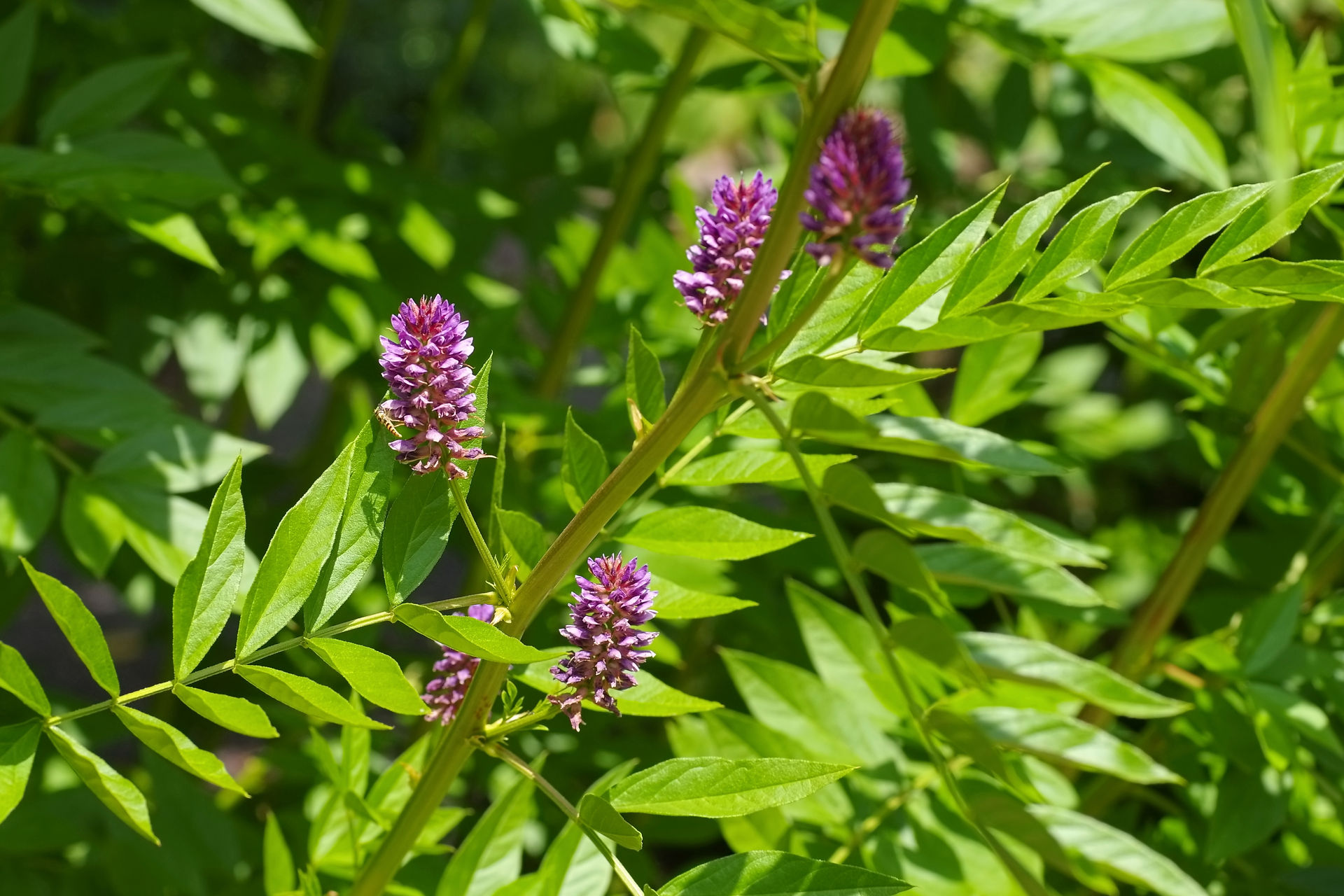

Glycyrrhiza glabra (licorice)
Glycyrrhiza glabra, commonly known as licorice, is a perennial herb in the Fabaceae (legume) family native to the Mediterranean region, growing best in temperate climates with well-drained soils. Its root is used medicinally - the organoleptics are strongly sweet, slightly earthy, and faintly aromatic, with a soothing, demulcent “coating” feeling in the mouth. It is traditionally valued for its anti-inflammatory, mucosal-protective (demulcent), expectorant, and antiviral activity, with key constituents including glycyrrhizin (glycyrrhizic acid) and flavonoids such as liquiritin/liquiritigenin and glabridin. In clinical use and research, it’s used to support irritated upper GI tissue (functional dyspepsia) as well as inflamed respiratory mucosa (eg. sore throat or cough). In a randomized, double-blind, placebo-controlled trial, a licorice root extract was shown to help significantly improve functional dyspepsia PMID: 21747893. People taking licorice extract had reported noticeably less day-to-day indigestion discomfort as compared with placebo. And, as a unique historical note, licorice has deep ancient roots, with sources describing it being used in during ancient Egypt and even found among supplies discovered in King Tutankhamun’s tomb.

THIS INFORMATION IS FOR EDUCATIONAL PURPOSES ONLY. IT'S NOT INTENDED TO DIAGNOSE, TREAT, CURE, OR PREVENT ANY DISEASE.
bottom of page